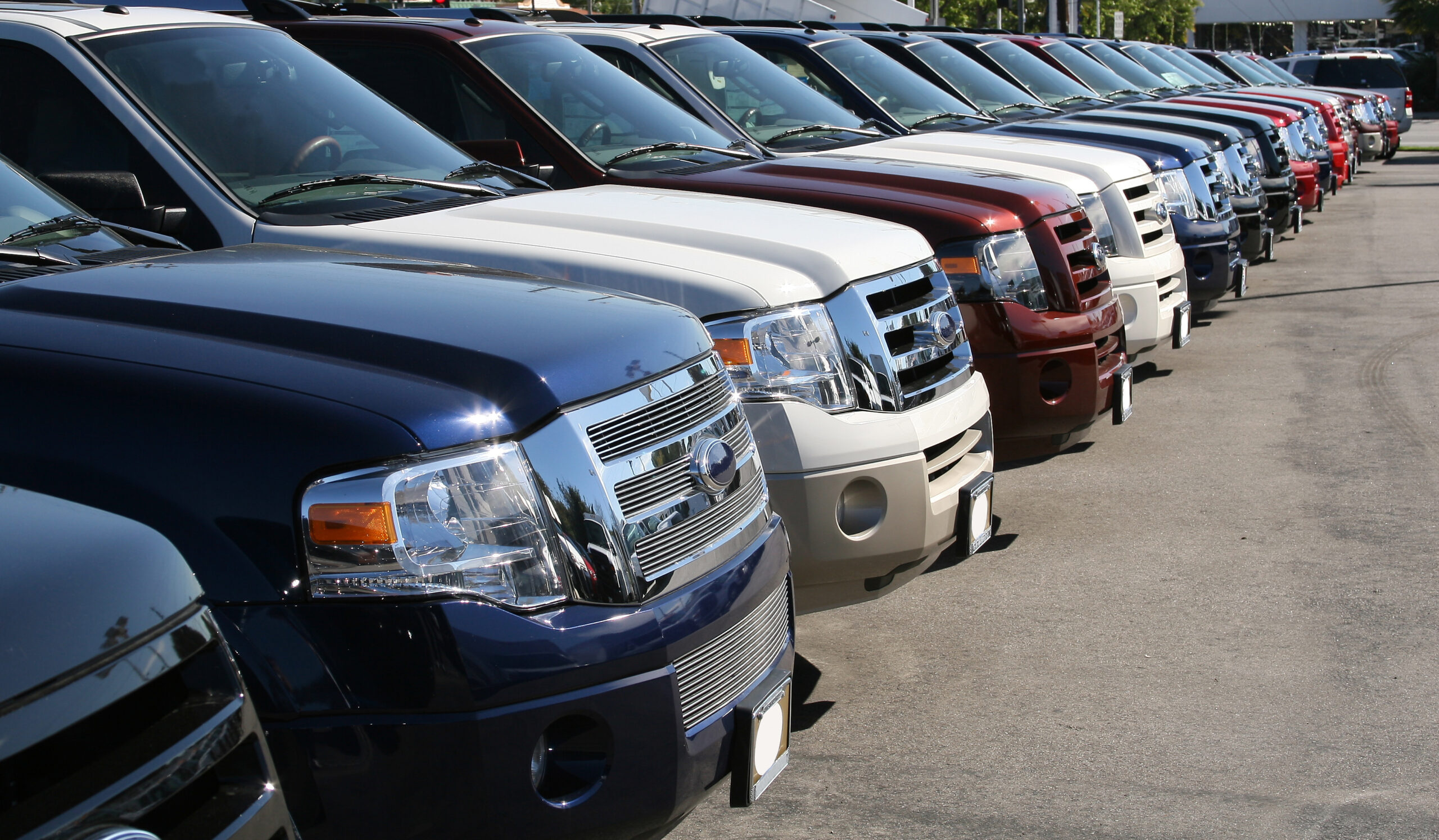
Used vehicles are more affordable, potentially allowing you to purchase a higher-quality model with more features for the same budget. However, they come with risks of higher maintenance costs and potential hidden defects. To mitigate these risks, obtain a CARFAX report for used vehicles and consult car-related resources such as the Insurance Institute of Highway Safety’s ratings. Checking the vehicle’s history using its VIN is essential for uncovering past accidents or title issues.
Certified Pre-Owned: A Middle Ground
Certified Pre-Owned vehicles offer added security with extended warranties and thorough inspections, bridging the gap between new and used. This option provides dealership backing while maintaining a lower price point than new cars.
Leasing as an Alternative
Leasing is presented as an alternative to buying, explaining potential advantages like lower monthly payments, but also drawbacks like mileage limits and lack of ownership. While monthly payments may be lower, leasing generally has higher cumulative costs over time and doesn’t build equity.
Electric Vehicles and Hybrids
Electric vehicles (EVs) and hybrids offer eco-friendliness, lower emissions, and fuel cost savings, though they often have higher initial costs. Charging infrastructure and incentives like tax credits are important considerations when purchasing an EV.
Researching Your Options Thoroughly
Knowledge is power in car buying. Extensive research before purchasing prevents impulse decisions and buyer’s remorse.
Trusted Online Resources
Use reputable online resources like Cars.com, Edmunds, Consumer Reports, Kelley Blue Book, and fueleconomy.gov to evaluate factors such as pricing, safety, and fuel efficiency. These platforms provide unbiased reviews, fair market pricing, and ownership cost estimates that empower you to make informed comparisons.
Safety and Reliability Ratings
Look for cars with strong safety ratings from organizations like IIHS or NHTSA, and features such as backup cameras and lane-keeping assist. Research the makes and models for recurring maintenance issues and establish a relationship with a reputable mechanic who can provide pre-purchase inspections.
The Test Drive: Your Critical Evaluation
Never purchase a car without a comprehensive test drive. This hands-on experience reveals issues that specs and photos cannot.
What to Inspect
Test driving a car is necessary to assess the vehicle’s performance, steering, and comfort levels. Conduct thorough inspections and check everything from electronic systems to dashboard indicators. Test drives should cover various driving conditions—highway merging, city stop-and-go, and parking maneuvers—to accurately evaluate the car’s handling. Pay attention to visibility, seat comfort, noise levels, and how intuitively controls are placed.
Negotiating Like a Pro
The sticker price is rarely final. Negotiating can save you thousands of dollars.
Strategic Price Negotiation
Be prepared with price comparisons and remain cautious about dealer upsells. Being preapproved for a loan strengthens the buyer’s position during negotiations. It’s crucial to avoid divulging the maximum price you’re willing to pay, as this weakens your bargaining power. Buyers should be ready to walk away if the terms aren’t satisfactory and should fully review all sales contracts before finalizing the deal.
Negotiate based on the MSRP while being mindful of contract terms and additional dealer add-ons to avoid unnecessary costs. Understand all paperwork before signing, as this is your final opportunity to catch errors or unfavorable terms.