
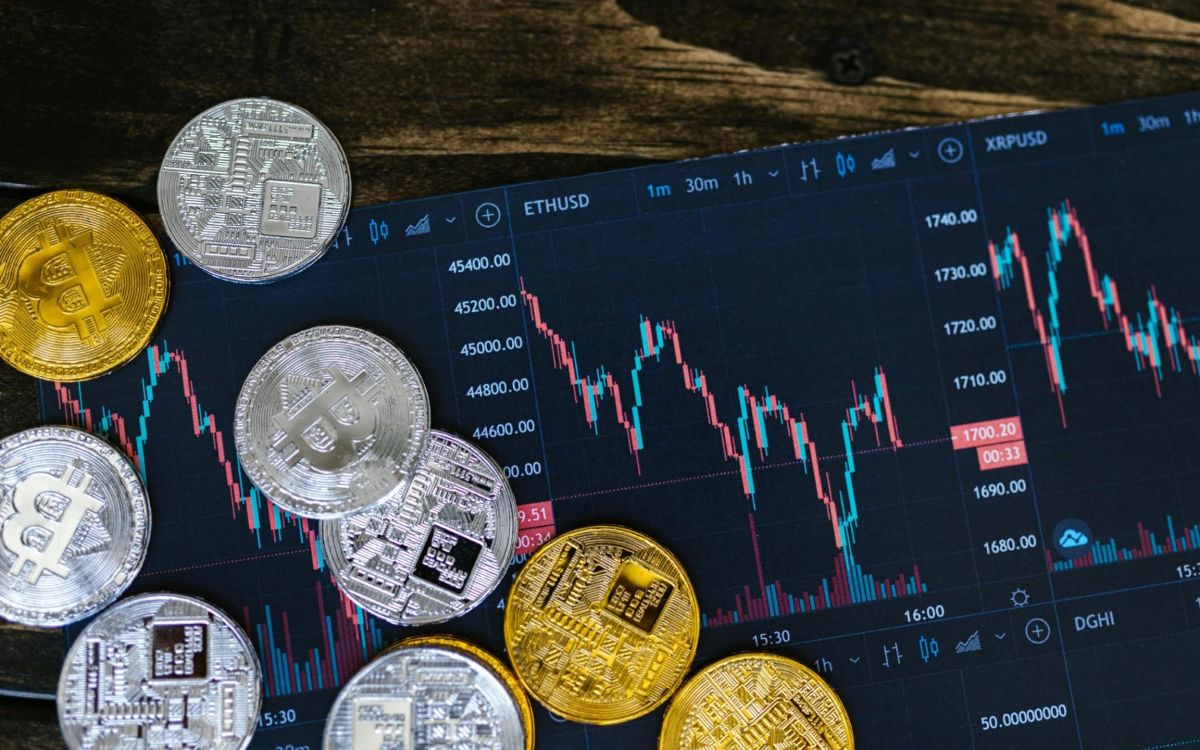
The foreign exchange market, commonly known as the forex market, is the largest and most liquid financial marketplace in the world. Every day, trillions of dollars’ worth of currencies are exchanged across global financial centres. For individuals exploring global finance or considering currency trading, understanding how this market operates is essential. From banking systems to digital payments, forex plays a crucial role in shaping international trade, investments, and economic stability.
What Is the Forex Market?
The forex market is a decentralised global marketplace where currencies are bought and sold. Unlike stock exchanges that operate from central locations, forex trading happens electronically through a network of banks, financial institutions, corporations, and individual traders.
At its core, forex involves currency pairs. For example, when traders exchange one currency for another, they are effectively speculating on how the exchange rate will move. If someone believes one currency will strengthen against another, they may buy it in anticipation of a gain.
Who Participates in Currency Trading?
The forex market includes a wide range of participants. Central banks influence currency supply and monetary policy. Commercial banks conduct transactions on behalf of clients and manage cross border payments. Corporations engage in currency exchange to facilitate international trade and protect against exchange rate fluctuations.
Retail traders also participate through online trading platforms offered by brokers. A stock broker may provide access not only to stocks and equity markets but also to currency trading services.
Financial institutions, including insurance companies and mutual funds, use forex to manage global portfolios. For example, a mutual fund investing in overseas stocks may hedge currency risk through forex contracts. Large investment firms also use forex markets to manage exposure tied to global investments.
How Currency Prices Are Determined
Currency values are influenced by supply and demand. Factors such as economic growth, inflation, interest rates, trade balances, and political stability affect currency strength.
Interest rates set by central banks play a significant role. Higher rates often attract foreign capital, increasing demand for a currency. Conversely, lower rates may reduce foreign interest. Government policies related to taxes, debt management, and fiscal spending also influence currency performance.
Market sentiment matters as well. If investors believe an economy is strong, they may invest more heavily in its currency. Large scale capital flows from banking institutions and hedge funds can create noticeable price movements.
The Role of Banking and Financial Infrastructure
Banking systems form the backbone of the forex market. Major global banks facilitate large scale currency transactions and provide liquidity. Interbank networks allow financial institutions to exchange currencies efficiently and securely.
Modern payment systems support global transactions in real time. International payments for imports, exports, or travel rely on currency conversion at competitive rates. Even a simple overseas card payment, whether through a smart card or digital wallet, triggers a forex transaction in the background.
Banks also extend loans and credit facilities in foreign currencies. Businesses that borrow through international loans must consider exchange rate risk. A company taking a loan in a foreign currency may face higher repayment costs if exchange rates move unfavorably.
Forex and Global Trade
International trade depends heavily on forex markets. When businesses import goods, they must pay suppliers in foreign currencies. Exporters receive payments in different currencies and often convert them into local currency for operational expenses.
To manage risk, companies may use hedging tools, such as forward contracts or currency options. These instruments allow them to lock in exchange rates for future payments. This reduces uncertainty and protects profit margins.
Airlines, shipping firms, and multinational corporations regularly engage in currency trading to manage operational expenses. Since fuel purchases, aircraft leases, and maintenance contracts are often denominated in global currencies, forex management becomes essential.
Forex Compared to Other Investments
Unlike investing in stocks, where investors buy shares representing ownership in a company, forex trading focuses purely on currency price movements. Equity markets depend on company performance and earnings, while currency markets respond to macroeconomic factors.
Forex trading also differs from participating in an IPO or investing in mutual funds. An IPO involves purchasing newly issued company shares, while mutual funds pool money for diversified investments across asset classes. Forex is more short term and highly liquid, with positions sometimes opened and closed within minutes.
Because of high leverage, forex trading can amplify both gains and losses. Traders should approach it carefully, much like evaluating any financial decision involving credit or cash flow management.
Risks and Considerations
While the forex market offers opportunity, it also carries significant risk. Exchange rates can fluctuate rapidly due to economic announcements or geopolitical developments. Sudden volatility can result in losses, especially when traders use borrowed funds.
Leverage allows traders to control large positions with relatively small amounts of cash. However, this increases exposure to market movements. Responsible risk management, including setting stop loss orders and limiting position size, is essential.
Investors should also consider regulatory standards when choosing a trading platform. Working with authorised brokers and regulated financial institutions reduces the risk of fraud.
Technology and the Future of Forex
Technology has transformed forex trading. Algorithmic trading systems execute transactions in milliseconds based on complex models. Artificial intelligence tools analyse data trends and assist in forecasting currency movements.
Mobile apps now allow individuals to monitor markets and execute trades instantly. Digital banking platforms integrate forex services directly into investment accounts. Cross border payments have become faster and more transparent, benefiting both businesses and consumers.
As global finance evolves, forex markets continue to adapt. Innovations in digital currencies and blockchain based settlement systems may further reshape how currency exchange operates in the future.
The forex market is a dynamic and essential component of global finance. It supports international trade, enables cross border payments, and offers opportunities for currency trading. From banks and insurance firms to retail traders and multinational corporations, a wide range of participants rely on forex markets every day.
Understanding how currency prices are determined, how financial institutions manage risk, and how forex compares to other investments such as stocks or mutual funds can help individuals make informed decisions. With careful research and responsible strategy, currency trading can become a valuable part of a broader financial plan.